Best Basement Waterproofers: Cost Breakdown of Coatings vs Permanent Solutions
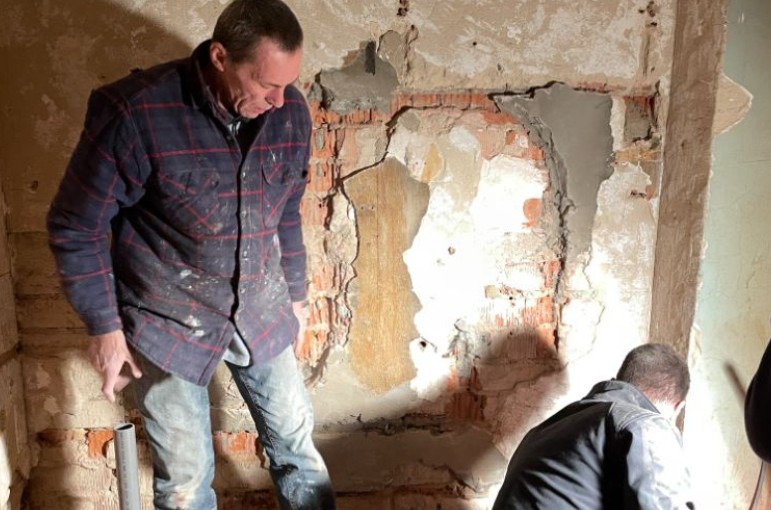
Basement waterproofing costs vary widely, so many homeowners struggle to understand what they are actually paying for. One option looks inexpensive and simple, involving a coating applied directly to the wall. Another involves drainage systems, pumps, and professional installation. Both claim to solve the same problem, yet their long-term results differ significantly.
Homeowners comparing options often search for the best basement waterproofers in the cleveland ohio area to help separate short-term fixes from permanent solutions. Understanding what coatings really do versus what full waterproofing systems accomplish helps prevent wasted money, repeat repairs, and moisture problems that never truly go away.
What Basement Waterproofing Coatings Actually Do
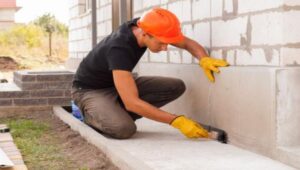
Waterproofing coatings are surface-level products applied to interior basement walls. They are designed to block visible moisture and are often marketed as quick, affordable solutions.
The appeal is obvious. Coatings cost less upfront and require minimal labor. Many homeowners choose them, hoping to avoid larger projects or professional installation.
The limitation is that coatings do not stop water from reaching the foundation. They only attempt to hide moisture once it arrives. When pressure builds behind the wall, coatings become the weakest point in the system.
Why Coatings Fail Over Time
Water always follows pressure and gravity. When the soil around a foundation becomes saturated, moisture can push inward through walls and floors.
Interior coatings fight that pressure from the wrong direction. Over time, water forces its way behind the sealed surface. This leads to bubbling, peeling, and trapped moisture that encourages mold growth.
In many cases, the basement appears dry for a short time while damage continues behind walls or beneath flooring. When failure becomes visible, repair costs are often higher than they would have been initially.
This pattern is one of the most common complaints from homeowners who start with coatings.
Interior Basement Waterproofing Systems
Interior basement waterproofing systems take a different approach. Instead of trying to block water completely, they control where it goes.
Drainage channels collect water at the wall-floor joint, the most common entry point. That water flows into a sump pump system and is discharged safely away from the foundation. Wall liners protect interior finishes while allowing moisture behind the wall to move downward without spreading into the living space.
Interior systems cost more upfront than coatings, but they address water pressure and drainage directly. This approach delivers consistent performance even during heavy rainfall.
Exterior Basement Waterproofing and Cost Factors
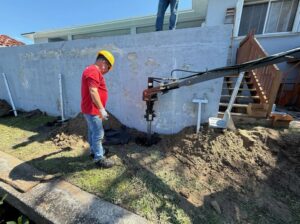
Exterior basement waterproofing prevents water from contacting the foundation wall. This involves excavation, sealing exterior walls, and improving exterior drainage.
When done correctly, exterior systems are effective. However, they are also disruptive and often more expensive. Landscaping, patios, and walkways are commonly affected during installation.
Exterior solutions make the most sense when foundation walls are already exposed or when severe exterior drainage problems exist. They are not necessary for every home.
Short Term Cost vs Long Term Value
The biggest mistake homeowners make is comparing only the upfront cost. Coatings almost always appear cheaper. Permanent systems almost always provide better long-term value.
Coatings often require reapplication or replacement. Permanent systems protect structural components, finished areas, and indoor air quality for decades.
Paying once for the correct solution typically costs less than paying repeatedly for temporary fixes.
Common Costly Waterproofing Mistakes
One mistake is choosing the lowest quote without understanding what the solution includes. Some quotes rely heavily on coatings or partial fixes that do not address pressure or drainage.
Another mistake is skipping inspection entirely. Without understanding how water enters the basement, it is easy to choose the wrong method.
Poor discharge planning is another hidden issue. Water released too close to the foundation simply cycles back into the soil, shortening the system’s lifespan.
DIY vs Professional Waterproofing Costs
DIY waterproofing works for minor surface dampness or humidity control. It does not stop pressure-driven water intrusion through foundation joints or floors.
Professional systems are engineered solutions designed around soil conditions, water behavior, and structural layout. The cost difference reflects the performance difference.
Understanding where DIY solutions stop helps prevent frustration and repeated expenses.
Is Basement Waterproofing Worth the Cost
Basement waterproofing protects more than walls. It protects framing, flooring, stored belongings, and indoor air quality. It also reduces the risk of mold growth and preserves usable space.
For finished basements, waterproofing prevents damage that can quickly exceed the cost of proper installation. For unfinished basements, it prevents long-term structural deterioration.
When the right method is chosen, waterproofing becomes a protective investment rather than a recurring expense.
Conclusion
Basement waterproofing costs vary because solutions vary in effectiveness. Coatings offer short-term savings but rarely provide lasting protection. Permanent systems cost more upfront but address the problem correctly.
Understanding the difference helps you avoid wasted money and repeated repairs. The goal is not the cheapest fix, but the one that works long term.
For homeowners who want clear answers, proven systems, and long-term protection, Expert Basement Waterproofing Cleveland delivers reliable basement waterproofing solutions designed to keep moisture under control and prevent repeat problems before they start.