House Foundation Repair: What Destroys a Home’s Foundation and How to Prevent It
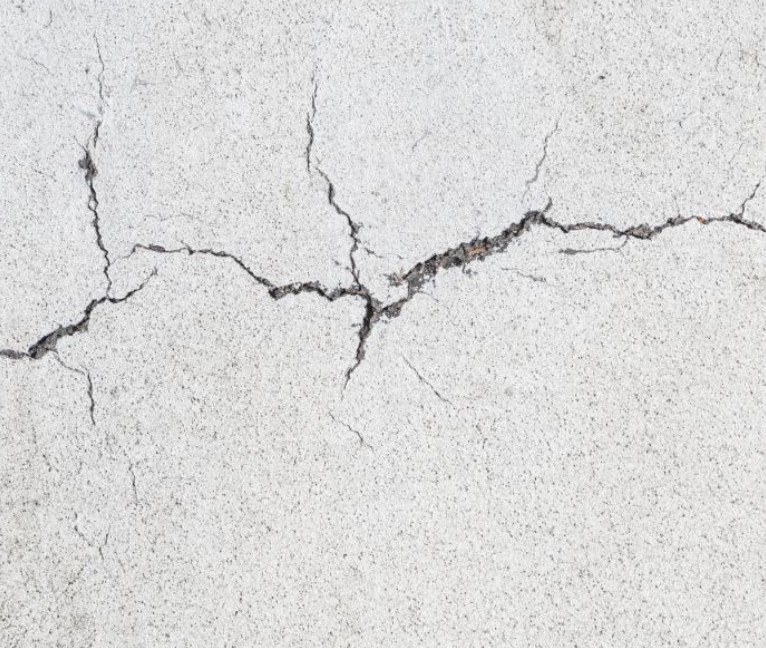
A home’s foundation is its most critical structural component. When it weakens or shifts, the entire structure above it can suffer. Cracks in walls, uneven floors, and sticking doors are often signs of deeper problems below the surface. Understanding what damages a foundation and how to prevent it can save homeowners from expensive structural issues. House foundation repair is not only about fixing visible cracks but also about addressing the underlying causes that threaten long-term stability.
For homeowners who suspect foundation problems, professional services like basement foundation repair Gary provide detailed inspections and customized solutions. Identifying the root cause of foundation damage is the first and most important step in preventing further deterioration. Whether the issue stems from soil movement, water intrusion, or construction flaws, early house foundation repair helps maintain your home’s safety and value.
Excess Moisture and Poor Drainage
Water is one of the leading causes of foundation damage. When rainwater or groundwater accumulates around the perimeter of a home, it increases hydrostatic pressure against foundation walls. Over time, this pressure can cause cracks, bowed walls, and gradual structural movement. Poor grading, clogged gutters, and short downspouts often contribute to water pooling near the foundation.
Preventing moisture buildup starts with proper drainage. Gutters should be cleaned regularly, and downspouts should extend several feet away from the home. The soil around the house should slope away from the foundation to direct water away from the foundation. Taking these steps reduces the likelihood that extensive house foundation repair will be needed in the future.
Expansive and Shifting Soil
Soil plays a major role in foundation stability. Clay-rich soils expand when wet and shrink during dry periods. This repeated swelling and contracting puts stress on foundation walls and slabs. Over time, the movement can cause settlement, cracks, and uneven flooring.
Maintaining consistent soil moisture helps reduce movement. Installing proper drainage systems and watering the soil during prolonged droughts can prevent excessive shrinking. In severe cases, house foundation repair may involve installing steel piers or helical anchors to stabilize the structure and prevent additional settlement.
Tree Roots and Landscaping Issues
Landscaping choices can also affect foundation health. Trees planted too close to a home can draw moisture from the soil unevenly, causing shifting and settlement. Large root systems may also grow beneath or against the foundation, adding pressure and increasing the risk of cracks.
To avoid these problems, trees should be planted at a safe distance from the home. Irrigation systems should distribute water evenly to prevent dry patches that could destabilize the soil. Thoughtful landscaping decisions can significantly reduce the need for future house foundation repair.
Poor Construction and Substandard Materials
Not all foundation damage results from environmental factors. Sometimes the problem originates during construction. Inadequate reinforcement, poor soil preparation, or improperly cured concrete can lead to premature cracking and settlement. Over time, small flaws can develop into serious structural concerns.
Routine inspections help identify early signs of weakness. Addressing minor cracks or signs of settlement quickly keeps repair costs manageable. Proactive maintenance ensures house foundation repair remains limited to minor corrections rather than major structural overhauls.
Plumbing Leaks Beneath the Slab
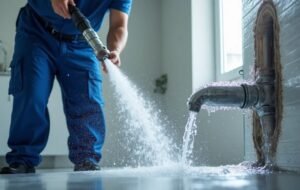
Hidden plumbing leaks are another common but often overlooked cause of foundation damage. Leaks beneath a slab foundation can erode supporting soil and create voids. As the soil washes away, sections of the foundation may sink or crack.
Warning signs include unexplained increases in water bills, damp spots on flooring, or the sound of running water when no fixtures are in use. Detecting and repairing plumbing leaks early reduces the likelihood of extensive structural damage and limits the scope of necessary house foundation repair.
Seasonal Temperature Changes
In regions with significant seasonal changes, foundations are exposed to freeze-thaw cycles and extreme temperature shifts. Frozen soil expands, placing pressure on foundation walls, while hot, dry conditions cause soil to contract. This constant movement stresses the structure over time.
Insulating foundation walls and maintaining proper drainage help minimize seasonal damage. Monitoring for cracks after extreme weather ensures that any issues are addressed promptly before they worsen.
Early Warning Signs of Foundation Problems
Recognizing early signs of foundation damage is crucial. Common indicators include cracks in drywall, uneven floors, gaps around doors or windows, and visible cracks in exterior brickwork. Water intrusion in basements or crawl spaces also signals potential structural concerns.
Ignoring these symptoms allows problems to progress. Professional evaluation ensures accurate diagnosis and timely house foundation repair before damage becomes severe or costly.
Conclusion
A home’s foundation can be damaged by excess moisture, shifting soil, tree roots, construction flaws, plumbing leaks, and seasonal temperature changes. Left untreated, these issues can compromise structural integrity and reduce property value. Preventive maintenance, early detection, and professional assessment are key to protecting your investment. When structural concerns arise, homeowners in Gary can rely on Pro Foundation Repair Gary for dependable inspections, expert solutions, and long-lasting protection through professional house foundation repair services.