Pool Maintenance: Signs Your Pool Needs Resurfacing and Professional Attention
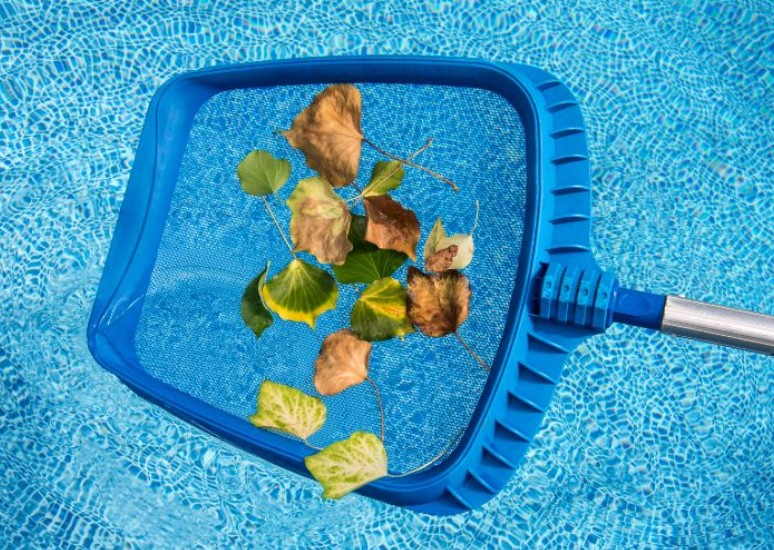
A swimming pool is a major investment that adds value, enjoyment, and relaxation to your home. However, like any feature exposed to constant water, chemicals, and weather, it requires consistent care to stay in good condition. Proper pool maintenance not only keeps the water clean and safe but also protects the pool’s surface from long-term damage. Over time, even well-maintained pools may show signs of wear that indicate the need for resurfacing or professional attention.
Many homeowners focus primarily on water chemistry and cleaning, but the pool’s physical surface is just as important. Cracks, stains, rough textures, and peeling finishes are more than cosmetic concerns. They can signal underlying issues that, if ignored, may lead to more expensive repairs. Understanding these warning signs helps you act early and avoid major restoration costs. Working with professionals who specialize in pool service bradenton ensures that small surface problems are identified before they turn into structural damage.
Rough or Damaged Pool Surface
One of the clearest signs your pool may need resurfacing is a rough texture along the walls or floor. If the surface feels abrasive under your feet or causes small cuts, the protective layer may be wearing away. Plaster, pebble, or epoxy finishes naturally deteriorate over time due to chemical exposure and water movement.
When the surface becomes rough, it also becomes harder to clean. Algae and debris cling more easily to damaged areas, making routine pool maintenance more difficult and less effective. If brushing and chemical balancing no longer keep the surface smooth and clean, resurfacing may be the most practical solution.
Persistent Stains and Discoloration
Stains that do not respond to chemical treatments are another indicator of surface deterioration. While minor staining can result from metals or organic debris, deep discoloration often indicates aging plaster or a breakdown in the finish. Over time, exposure to chlorine, fluctuating pH levels, and waterborne minerals can cause fading or blotchy areas.
Consistent pool maintenance can prevent many staining issues, but when discoloration becomes widespread and permanent, professional resurfacing restores both appearance and protection. A fresh surface not only improves aesthetics but also creates a smoother barrier against future staining.
Cracks and Structural Concerns
Small surface cracks in your pool might initially seem minor or purely cosmetic, but they often indicate stress in the pool structure that could worsen over time. Left unaddressed, these cracks can grow in length or width due to water pressure, temperature changes, and regular pool use. As cracks expand, water can seep beneath the pool surface, eroding the underlying materials and compromising structural integrity. Even a slow leak can gradually undermine the pool shell, leading to uneven floors, shifting tiles, or more severe damage that may require costly repairs.
Water loss that cannot be explained by normal evaporation or splashing is often one of the first signs of a deeper problem. If you notice your pool losing water faster than usual, it may be a sign of cracks extending into the substructure or hidden plumbing issues. Ignoring these early warning signs can allow the damage to worsen, sometimes leading to bowing pool walls, tile separation, or even localized collapses in extreme cases.
Frequent Chemical Imbalances
If maintaining proper chemical balance becomes increasingly difficult, the pool surface may be contributing to the problem. A deteriorating finish can affect how chemicals interact with the water, leading to unstable pH or chlorine levels. When you find yourself constantly adjusting chemicals without consistent results, the surface condition should be examined.
Professional technicians can test the water, inspect the surface, and recommend whether resurfacing would help stabilize conditions. Effective pool maintenance relies on both balanced water chemistry and a sound interior finish.
Visible Peeling or Flaking
Peeling, chipping, or flaking plaster is a clear sign that resurfacing is overdue. As the top layer breaks down, it exposes the underlying material to water damage. This not only affects appearance but can also reduce the lifespan of the pool structure itself.
Ignoring peeling surfaces often leads to larger failure patches. Resurfacing at the right time protects the pool shell and restores a clean, polished look that enhances the entire backyard environment.
Age of the Pool Surface
Even with excellent pool maintenance, most pool finishes have a limited lifespan. Traditional plaster surfaces typically last several years, depending on care and environmental factors. Pebble and aggregate finishes may last longer, but they are not permanent.
If your pool finish is approaching or exceeding its expected lifespan, a professional inspection can determine whether resurfacing is necessary. Preventative action is often more cost-effective than waiting for visible damage to worsen.
Conclusion
Your swimming pool should remain a source of enjoyment, not stress. Paying attention to rough surfaces, persistent stains, cracks, peeling finishes, and ongoing chemical challenges helps you identify when resurfacing or professional attention is required. Consistent pool maintenance plays a critical role in preventing premature damage, but recognizing when expert help is needed ensures long-term performance and safety. For homeowners seeking dependable solutions, Bradenton Pool Service Pros provides the expertise necessary to protect your investment and keep your pool in excellent condition for years to come.