Better Facility Planning for Safer Events and Worksites
Creating a safe and comfortable environment has become a priority for event organizers, construction managers, and community planners. Crowds expect clean facilities, quick access to amenities, and a setup that supports hygiene, flow, and convenience. The same applies to worksites, where productivity often depends on how well essential comforts are managed.
Across Australia, the demand for modern portable sanitation solutions has grown because they offer flexibility, meet compliance needs, and improve the overall experience. This guide explores how smart facility planning can elevate your site or event while keeping operations smooth and attendees comfortable.
Why Facility Planning Shapes the Success of Events and Worksites
A well-planned environment supports safety, reduces downtime, and improves customer or worker satisfaction. Research from the Event Industry Council shows that sanitation quality consistently ranks among the top three indicators of event success. Similar patterns appear in construction, where access to clean and functional facilities directly influences worker morale.
Poor sanitation can disrupt operations. Lines build up, workers leave the site to find restrooms off location, and complaints grow. Good planning prevents these issues and provides structure for smooth operations.
Understanding Site Needs Before Choosing Portable Facilities
Each location has unique demands. Before selecting any type of portable restroom or wash station, decision-makers should assess:
1. Estimated Attendance or Workforce Size
Crowd size affects toilet quantity, water requirements, supply restocking, and servicing frequency. A large event like a community fair requires a different setup from a roadwork crew stationed on a rural highway.
2. Length of Operation
Facilities for a three-hour outdoor concert look very different from what a construction project needs for eight months. Long-term setups must prioritize durability, privacy, and efficiency.
3. Site Layout and Accessibility
Key considerations include:
- Ground stability
- Proximity to food vendors
- Vehicle access for service trucks
- Disability access requirements
4. Hygiene Expectations
After the pandemic, hygiene standards have increased. Attendees expect handwashing stations, sanitizer points, and regular cleaning schedules.
5. Special Requirements
Events with food service, family zones, or premium ticketing may need upgraded or themed amenities. Worksites may require hot water, showers, or laundry capabilities.
The Role of Comfort in Crowd and Worker Behavior
Comfort influences behavior. At events, people stay longer and spend more when amenities feel clean and accessible. Studies from Tourism Research Australia highlight that visitor satisfaction increases significantly when facilities are organized and well maintained.
On worksites, comfort supports productivity. The Australian Work Health and Safety Regulations emphasize that workers must have access to adequate sanitation, clean water, and wash facilities. Meeting or exceeding these standards helps maintain morale and reduces downtime.
Modern Portable Facilities that Improve Experience
Today’s sanitation options go far beyond basic chemical toilets. Suppliers across the country now provide units designed for specific needs, from accessible toilets to high-capacity blocks for large teams.
Portable Ablution Blocks for High-Demand Sites
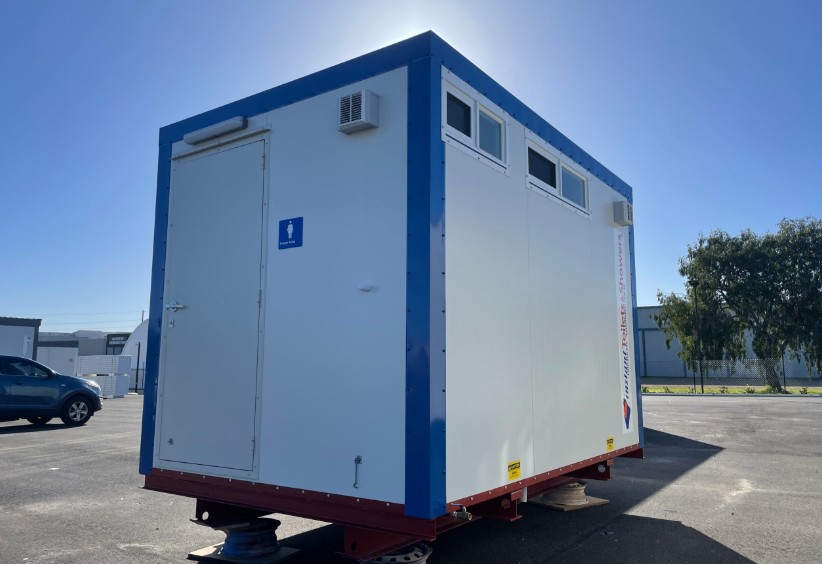
Larger sites or events often rely on portable ablution blocks because they offer multiple stalls, sinks, and sometimes showers within one unit. These blocks are crafted to support high traffic and provide a more comfortable experience than single cubicles.
They suit sporting events, festivals, construction camps, school gatherings, and remote community programs. Their capacity and layout help reduce lines and manage hygiene more effectively.
Single and Twin Portable Toilets
Ideal for smaller gatherings or short-term job sites, these units are easy to place and relocate. Modern versions come with foot-pump sinks, improved ventilation, and privacy features.
Handwashing and Sanitizing Stations
Hand hygiene remains one of the most important factors in public health. A study from the Australian Department of Health showed a significant drop in illness transmission when handwashing stations were properly accessible.
Premium Restroom Trailers
These units support VIP zones, corporate functions, weddings, and luxury tourism events. Their interior layout resembles indoor restrooms, providing a polished experience for guests who expect higher comfort.
Cleanliness Standards That Build Confidence
Hygiene plays a central role in public trust. Whether at a regional festival or a worksite with rotating crews, the way restrooms look and smell influences how safe people feel.
Cleanliness planning should include:
- Scheduled servicing
- Waste management procedures
- Supply checks for soap, paper, and sanitizer
- Odor control solutions
- Clear signage
A strong example of quality servicing practices can be found in products designed for compact sites. Solutions like the Five Star Mini Streamline Toilet show how design helps maintain hygiene through better airflow, sturdy construction, and smart waste containment. These features are explained further in a helpful write-up about modern portable restroom innovations provided by Instant Toilets and Showers, which you can read in their blog where they share product insights and on-site performance details.
How to Match Facilities with Different Event Types
Each event has special considerations. Planning with the right facility mix avoids bottlenecks and ensures visitors enjoy themselves.
1. Community Festivals
These events require:
- A blend of single units and blocks
- Handwashing stations near food vendors
- Accessible toilets
- Baby change facilities
Larger portable blocks help manage peak times when crowds surge.
2. Sporting Events
Sporting groups move in waves, so high-capacity solutions are essential. Consider:
- Ablution blocks for players
- Standard units for spectators
- Showers for longer tournaments
- Extended servicing for muddy locations
3. Private Gatherings
Weddings, reunions, and outdoor parties benefit from premium units that blend comfort with practicality. These options keep guests comfortable and eliminate long queues.
4. Corporate or Construction Events
Training days, company gatherings, or site transitions require portable setups that can support large teams. Ablution blocks and extra wash stations reduce waiting time and support compliance.
Portable Solutions for Worksites
Australian worksites have strict requirements for sanitation. Safe Work Australia provides guidelines for minimum toilet numbers, handwashing access, and cleaning frequency. Well-planned setups minimize downtime and support worker health.
Construction and Civil Projects
Workers need consistent access to restrooms, water, and washing areas. Portable ablution blocks are often preferred because they offer multi-user capability.
Remote Projects
Mining, rail upgrades, and regional infrastructure rely heavily on self-contained facilities that can be moved easily as the site expands. Quality toilet systems prevent the need for workers to leave the area, protecting productivity.
Short-Term Road Projects
Smaller crews often rely on single units placed at intervals along the route. Good planning ensures drivers and workers have fast access to these amenities.
Hygiene Trends That Are Reshaping Portable Facility Planning
The sanitation industry has adapted quickly to public expectations. These trends now shape how facilities are designed and chosen.
1. Touch-Free Features
Foot-pump sinks, sensor lights, and non-contact flush mechanisms help limit germ transmission.
2. Ventilation Improvements
Updated airflow systems reduce odor and keep units cooler on hot days.
3. Environmentally Friendly Products
Many sites request water-saving fixtures, biodegradable chemicals, and solar-powered lighting. Sustainability plays a larger role in planning for long events or continuous worksites.
4. High-Capacity Waste Systems
Modern units support larger tanks, reducing the need for frequent servicing. This helps remote sites minimize interruptions.
How to Avoid Common Toileting Mistakes at Events and Worksites
Even small missteps can create big challenges. These are the issues planners encounter most often:
Not Ordering Enough Units
Underestimating crowd size leads to long lines and increased wear on each toilet.
Poor Placement
Units need firm ground, lighting, and easy access for servicing trucks.
Ignoring Signage
Clear direction helps people find restrooms quickly, especially in crowded areas.
Lack of Hand Hygiene Support
Events with food vendors must supply handwashing stations to meet safety standards.
Failing to Budget for Servicing
Cleaning is just as important as the initial setup. Ignoring this leads to unpleasant experiences for users.
How Better Sanitation Planning Supports Compliance
Compliance is not just a legal requirement. It protects your reputation and reduces risk. Australian guidelines outline minimum expectations for toilet-to-person ratios and handwashing accessibility. Regular servicing and record keeping also help meet regulatory expectations.
A structured sanitation plan includes:
- Facility placement diagrams
- Cleaning schedules
- Supplier servicing expectations
- Waste disposal processes
- Emergency response steps for overflows or breakdowns
These steps keep sites safe and build trust with attendees, workers, contractors, and regulators.
Partnering with the Right Supplier
A reliable portable sanitation supplier becomes a key partner in your planning. Look for companies that provide:
- Responsive support
- Clear servicing schedules
- High-quality units
- Regular maintenance
- Options for long-term or short-term hire
Suppliers that offer a wide range of units, including single toilets, ablution blocks, and premium trailers, allow you to match facilities to your exact needs.
Creating Smooth, Safe, and User-Friendly Environments
Thoughtful sanitation planning brings peace of mind. Guests relax more. Workers stay focused. Parents feel more comfortable. Crowds flow better. A strong hygiene setup supports every part of an event or worksite.
The most successful planners take time to match facilities with the site layout, the size of the crowd, and the length of the operation. They partner with proven suppliers, implement strong servicing schedules, and remain flexible as conditions or attendance changes.
A well designed sanitation plan does more than meet expectations. It sets the tone for a positive experience, whether for a festival crowd or a construction crew working through the season.