Foundation Repair Costs, Methods, and Red Flags Explained
Foundation problems rarely announce themselves dramatically. They start with subtle changes that are easy to dismiss. A hairline crack near a window. A door that sticks only in humid weather. A floor that feels slightly uneven. These early signs often appear long before homeowners realize the foundation itself may be under stress.
Many homeowners begin researching foundation repair canton once these warning signs stack up and inspections raise concerns about structural stability. At this stage, questions shift quickly from curiosity to urgency. People want to know what repairs actually cost, which methods are reliable, and how to tell the difference between a manageable issue and a serious red flag. Understanding the full picture helps prevent rushed decisions driven by fear rather than facts.
Why Foundation Problems Should Never Be Ignored
A foundation does one critical job. It evenly and consistently supports everything above it. When that balance changes, the house compensates in ways that are rarely helpful.
A small foundation movement can stress framing, pull on plumbing connections, and cause drywall to repeatedly crack. Over time, minor issues expand into widespread damage. Addressing foundation concerns early preserves more repair options and keeps costs within a controllable range.
Red Flags That Signal Foundation Trouble
Some warning signs are obvious. Others are easy to overlook.
Interior warning signs
Cracks that widen or reappear after patching deserve attention. Doors and windows that no longer open smoothly often indicate shifting. Sloping floors or visible gaps between walls and ceilings suggest uneven support below.
Exterior indicators
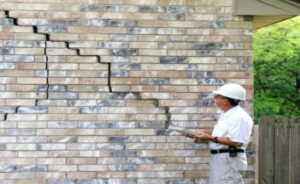
Stair-step cracks in brick or block walls often point to foundation movement. Gaps around exterior doors and windows signal structural shifting rather than simple wear. Separation between the siding and the foundation should always be evaluated.
Basement and crawl space concerns
Bowing foundation walls, water intrusion, and persistent damp odors are strong indicators of pressure or moisture-related stress. In crawl spaces, sagging beams, fallen insulation, or standing water often trace back to foundation or drainage issues.
What Influences Foundation Repair Costs
Foundation repair costs depend on conditions, not averages.
Foundation type
Slab foundations, crawl spaces, and basements each require different repair approaches. Access and construction style directly affect labor and materials.
Severity and spread of damage
Localized settling typically costs less than repairs involving multiple areas of movement. Widespread damage increases both scope and complexity.
Soil and drainage conditions
Expansive soil, poor grading, and water accumulation increase foundation stress. Addressing these factors may be part of the repair plan.
Accessibility challenges
Finished basements, limited access points, and landscaping obstacles can increase labor time and project complexity.
Common Foundation Repair Methods Explained
No single repair method fits every situation. The correct solution depends on the cause of the problem.
Pier-based stabilization
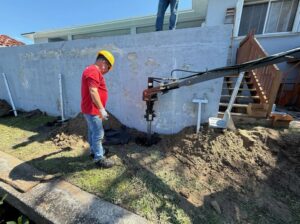
Piers are installed beneath the foundation to transfer weight to deeper, more stable soil. This method is commonly used to stabilize settling foundations and prevent further movement.
Wall reinforcement systems
When foundation walls bow or lean due to soil pressure, reinforcement systems help resist movement and restore stability.
Crack repair and sealing
Crack repair focuses on moisture control rather than structural correction. This method works when cracks are stable and not caused by ongoing movement.
Drainage and moisture control solutions
Water management often plays a key role in long-term foundation performance. Drainage systems reduce pressure against foundation walls and help prevent recurring issues.
When Foundation Repair Is Worth the Cost
Not all foundation problems are deal breakers.
Clear diagnosis with proven solutions
Many foundation issues have reliable repair methods that restore long-term stability. Once repaired properly, these foundations often perform as well as unaffected ones.
Homes with strong overall value
If the home aligns with long-term plans and repair costs fit within the budget, foundation repair can be a smart investment.
Documented repair plans
Clear inspection reports and professional documentation reduce uncertainty and protect future resale value.
When Foundation Problems Raise Bigger Concerns
Some situations require careful consideration.
Unclear or conflicting evaluations
If inspections provide inconsistent explanations, further evaluation is necessary before committing to repairs.
Extensive structural impact
When foundation movement has caused significant damage to framing or utilities, the repair scope increases quickly.
Financial misalignment
Even repairable problems may not make sense if costs exceed financial comfort levels or long-term value expectations.
Insurance and Foundation Repair Reality
Insurance coverage is commonly misunderstood.
Gradual damage is usually excluded
Most policies do not cover foundation issues caused by settling, soil movement, or long-term moisture exposure.
Sudden events may qualify
Damage caused by sudden plumbing failures or covered water events may be partially covered, depending on documentation.
Professional reports matter
Clear identification of the damage source helps determine whether insurance applies.
Living Through a Foundation Repair Project
Foundation repair is disruptive but often manageable.
Most homes remain livable
Many repairs allow homeowners to stay in place, though noise and vibration are common.
Timelines vary by method
Some repairs take days. Others require more time, depending on the scope and access.
Preparation reduces stress
Knowing what to expect helps homeowners plan around the process.
Why Professional Evaluation Matters
Foundation repair decisions should never rely on guesswork.
Accurate diagnosis prevents overrepair
Professionals identify root causes rather than treating surface symptoms.
Inspections protect long-term value
Proper documentation supports resale and future maintenance planning.
Early action limits damage
Timely evaluation preserves repair options and reduces the need for escalation.
For general guidance on housing safety and structural concerns, homeowners can consult the US Department of Housing and Urban Development at hud.gov.
Conclusion
Foundation repair decisions become clearer when costs, methods, and red flags are understood together. Small issues addressed early often remain manageable. Problems ignored tend to expand and grow more expensive over time.
When professional guidance is needed, Canton Foundation Repair Specialists provide thorough evaluations and proven repair solutions tailored to real conditions. Their expertise helps homeowners protect their investment with confidence and long-term stability.